Neighbors Inspire, Moments Matter

Today we explore how social proof and timely prompts can encourage sustainable home habits. By learning from neighbors, celebrating shared progress, and delivering cues when decisions happen, you can reduce energy, water, and waste with less effort. Expect practical examples, stories, and experiments you can start immediately, plus invitations to share results and join our growing circle of everyday climate helpers.

Comparisons That Spark Action

Utilities that mailed neighbor-to-neighbor energy reports saw measurable drops in electricity use, especially when gentle emoticons praised efficient homes and suggested one easy improvement. Replicate that magic locally by sharing anonymized comparisons, monthly shout-outs, and playful challenges that reward progress rather than perfection, encouraging households to try one small change today and report back tomorrow.

Visible Commitments, Quiet Contagion

Yard signs, door decals, and digital badges make invisible choices visible, inviting friendly conversations and quiet imitation. A family on our block put a hand-painted “refill here” jug beside the mailbox; within weeks, three neighbors started bringing bottles on evening walks. Visibility, warmth, and a story worth retelling do more than rules ever could.

Balance Encouragement and Autonomy

Comparisons can backfire if they shame or overwhelm. Use descriptive norms—what most people do—paired with respectful tone, specific actions, and optionality. Offer escape hatches, celebrate small wins, and show a path to improvement for every baseline. People protect autonomy; when they feel guided, not judged, they lean in and experiment willingly.

The Right Nudge at the Right Time

Timely prompts succeed when they ride existing routines and arrive exactly when a decision is made. A suggestion to line the compost pail works best right after dinner, not at noon. Pair cues with one-tap actions, prefilled settings, or physical placement that removes friction. The less willpower the task requires, the more likely it becomes a repeatable habit that quietly compounds.
Map your mornings, evenings, and weekends, then attach sustainable actions to anchors you already trust: kettle on, lights off, shoes by the door, dishwasher set to delay. Short prompts or sticky notes near those anchors turn intentions into scripts. Over time, the cue does the remembering so your mind can relax without missing meaningful steps.
Location, weather, and calendars reveal ideal moments. A notification when you leave home can suggest lowering the thermostat; the first cold snap can propose radiator bleeding; a sunny forecast can remind you to air-dry laundry. Respect quiet hours, avoid crisis moments, and let people snooze or schedule, proving that helpfulness always outweighs interruption.
A message that says “Consider washing cold” is fine; a one-tap toggle that sets the machine to cold and sends a friendly confirmation is better. Reduce choices, preselect defaults, and offer undo. When execution takes seconds, tiny behaviors repeat, measurable savings grow, and gratitude replaces notification fatigue in surprisingly short order.

Tiny Starts, Lasting Change

The Two-Minute Rule for Home Ecology

Choose actions that can finish before your tea cools: switching the washing temperature, laying a drying rack, setting a five-minute shower timer, clearing a vent, scheduling a municipal pickup. Quick victories teach your brain that effort is small and outcomes feel good, making tomorrow’s slightly bigger action feel natural instead of burdensome.

Defaults Do Heavy Lifting

When devices, apps, and shopping lists start with low-impact options, better choices happen by default. Program smart plugs to cut phantom loads nightly, reorder concentrates instead of single-use bottles, and auto-select bike routes for short trips. Most people accept sensible defaults, so configuring them once is like hiring a quiet helper forever.

Progress You Can See and Share

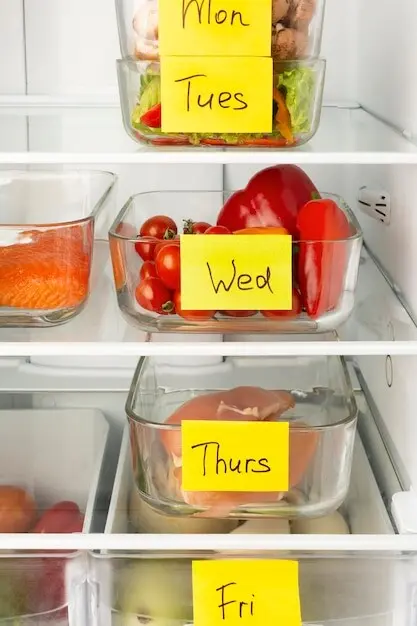
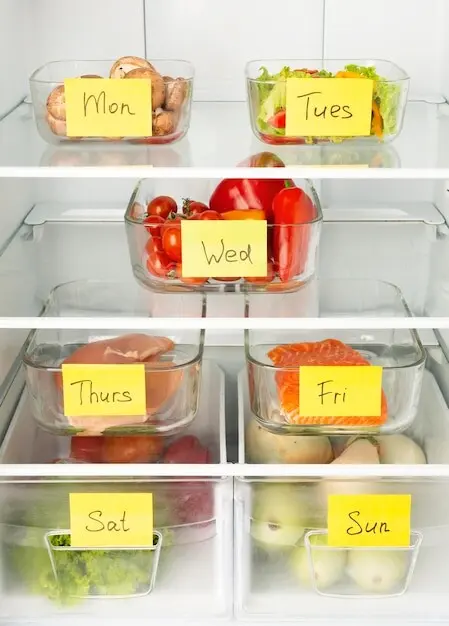
Dashboards, fridge charts, and simple counters turn abstraction into motivation. Show avoided kilograms of CO₂ alongside fun equivalents like trees planted or kilometers walked, then spotlight community milestones to weave personal progress into a larger narrative. Invite readers to post photos and numbers in the comments, amplifying encouragement and practical tips.

Voices You Can Trust

Authentic stories beat generic slogans. When advice comes from a neighbor with the same drafty windows, similar schedules, or familiar budgets, credibility soars. Capture testimonials with before-and-after photos, simple metrics, and honest missteps. Curate a chorus of local voices, not perfection, so readers recognize themselves and feel safe trying the next experiment.

Collect Stories That Travel

Ask for a short quote, a snapshot, and one metric that mattered—kilowatt-hours, liters, or bags of trash avoided. Add a timeline and one obstacle overcome. That compact bundle spreads across chats and groups easily, carrying both proof and practical detail that friends can duplicate without specialized gear, extra money, or expert help.

Host Friendly Street Experiments

Try a block-wide “lights-out at ten” week, a compost jar weigh-in, or a porch-swap for refill containers. Small prizes, playful leaderboards, and shared photos kindle camaraderie, not competition. Afterward, publish what worked and what flopped, then invite sign-ups for the next round, keeping momentum buoyant and learnings transparent for newcomers.

Avoid Greenwashing and Exclusion

Signal humility and care. Disclose limitations, mention costs, and respect renters, caregivers, and shift workers whose constraints differ. Celebrate creative solutions like shared tools or library kits. When people feel seen, they share back, widening the circle and safeguarding trust, which is the foundation that makes social proof genuinely persuasive.

Fairness, Privacy, and Consent

Comparisons and prompts use data; stewardship matters. Anonymize neighbor stats, aggregate groups above safe thresholds, and let participants opt in, edit, or leave without penalty. Normalize for factors like square footage and occupancy to avoid unfair judgments. Publish data practices plainly, welcome questions, and practice restraint so helpful intent always outweighs curiosity.

Test, Learn, and Celebrate

Treat your home and neighborhood like a living lab. Run short experiments, measure what changes, and tell everyone what you discovered. Track activation, retention, and impact, not just clicks. Close the loop by thanking contributors, sharing artifacts, and inviting subscribers to propose the next trial so progress becomes a shared adventure.
Telifarinilo
Privacy Overview

This website uses cookies so that we can provide you with the best user experience possible. Cookie information is stored in your browser and performs functions such as recognising you when you return to our website and helping our team to understand which sections of the website you find most interesting and useful.