Design Your Day Before It Designs You

Today we explore Everyday Decision Architecture, the quiet design of choices shaping how you wake, eat, focus, spend, and rest. Discover how defaults, cues, timing, and friction steer actions before awareness, and how small environmental tweaks reclaim attention, reduce stress, and make good decisions feel natural. Share experiments, ask questions, and subscribe for practical prompts and stories.

Micro-Choices, Massive Ripples

Seemingly trivial choices compound into outcomes that feel inevitable later. Where you place your phone, the order of morning steps, or which app opens by default nudges dozens of downstream actions. By redesigning small hinges in routines, you shift entire days toward clarity, energy, and follow-through without willpower theatrics. A single shelf shift or notification change can cascade into calmer focus, steadier meals, and easier bedtime, proving that environments often decide before we do.

Defaults That Quietly Steer Us

Personal Auto-Pilots

Create recurring calendar holds for focused work, automatic transfers to savings on payday, and grocery lists that regenerate weekly. Pre-deciding the ordinary stabilizes your week and prevents small emergencies from stealing focus. When the predictable is handled by helpful defaults, you reclaim emotional bandwidth for creative, strategic, or deeply human decisions that cannot be automated.

Opt-In Versus Opt-Out

Experiment with which side of the ledger carries the effort. Opt out of notifications by default, opting in only to messages directly supporting values or responsibilities. Use opt-in for discretionary subscriptions, but opt-out for nightly device downtime. By choosing where effort lives, you align the path of least resistance with what you actually want.

Resetting to Better Baselines

Schedule a monthly baseline audit: review subscriptions, notification rules, reoccurring events, and pantry staples. Ask whether each default still serves your current priorities, season, and constraints. Retiring outdated presets prevents drift and makes room for intentional ones, ensuring your environment evolves with you rather than trapping you in last month’s assumptions.

Add Grains of Sand to Bad Habits

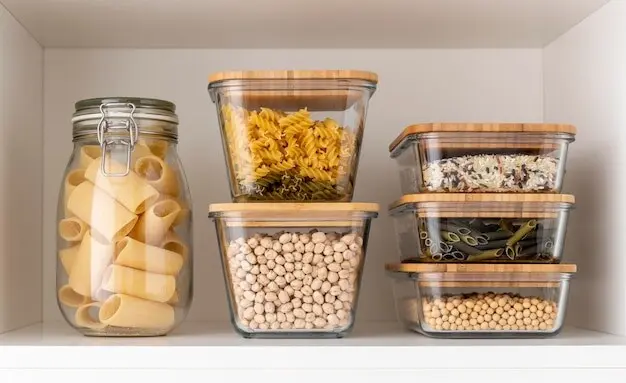
Introduce gentle inconveniences where you routinely slide. Log out of tempting sites, relocate the power strip for the TV, or store snacks in opaque containers behind ingredients you plan to cook. Each added step weakens the automatic loop just enough for awareness to return, giving your wiser intentions a fair starting line.

Grease the Rails for Good Ones

Lay out workout clothes, preload the document you must write, and keep a filled water bottle where your hand naturally lands. Reserve first morning minutes for a prepared task that cannot fail. The smoother the first movement, the likelier the second follows; friction removed at the start multiplies progress all the way through.

Cues, Context, and Timing

Write simple conditional scripts: If I finish brewing coffee, then I open my journal. If I sit at my desk, then I start the preloaded draft. These micro-contracts bind intentions to existing anchors, turning vague hopes into reliable, context-sensitive actions that unfold without extended debates or drained willpower.
Notice your personal peaks for focus, sociability, and creativity. Schedule hard thinking inside your clearest ninety minutes, and place negotiations or feedback conversations when empathy runs strongest. Timing is an amplifier; making the same choice in a better window converts effort into ease and scattered attempts into satisfying completions.
People mirror what they see. Curate your feeds, join communities embodying the behaviors you seek, and place shared artifacts that make expectations visible—like a whiteboard of quiet hours or a gratitude jar. When the group broadcasts supportive norms, individual choices align smoothly, and consistency becomes a friendly echo rather than a lonely stand.

Ethics of Gentle Guidance

Design influences behavior, so responsibility travels with it. Gentle guidance should enhance autonomy, protect dignity, and disclose intent without manipulative tricks. Avoid dark patterns that trap or confuse. Offer meaningful exits, informed choices, and fair defaults. Ethical decision architecture builds trust, which is the only long-term path to sustained adoption, shared learning, and truly better outcomes for everyone involved.

Build Your Personal Choice Systems

Turn insights into repeatable frameworks you can test, measure, and refine. Prototype small environmental changes, log outcomes, and tune the levers—defaults, cues, timing, and friction—until effort drops and results rise. Invite a friend to co-design for accountability. Share your discoveries in the comments, and subscribe to receive printable checklists, prompts, and fresh experiments each week.

01

Kitchen-Table Prototyping

Use what you already have: masking tape, sticky notes, baskets, timers, and a willingness to rearrange. Draft a five-minute layout change, run it for three days, and photograph before-and-after setups. Low-cost trials reveal disproportionate gains, turning learning into a playful routine rather than a high-stakes overhaul that rarely survives Monday.

02

Feedback Loops That Stick

Track leading indicators you can influence daily: bedtime, notification count, prepared meals, and blocks of uninterrupted work. Simple visual charts encourage streaks and highlight bottlenecks. When measurement celebrates process, not perfection, you stay curious and keep adjusting, transforming setbacks into instructions rather than verdicts about discipline or character.

03

Your 7-Day Experiment Plan

Pick one arena—mornings, meals, focus, or spending. Day one, identify friction to add or remove; days two to six, test tiny changes and record feelings, not just numbers. Day seven, keep the winners, retire the noise, and tell us what surprised you so we can learn together.

Telifarinilo
Privacy Overview

This website uses cookies so that we can provide you with the best user experience possible. Cookie information is stored in your browser and performs functions such as recognising you when you return to our website and helping our team to understand which sections of the website you find most interesting and useful.